
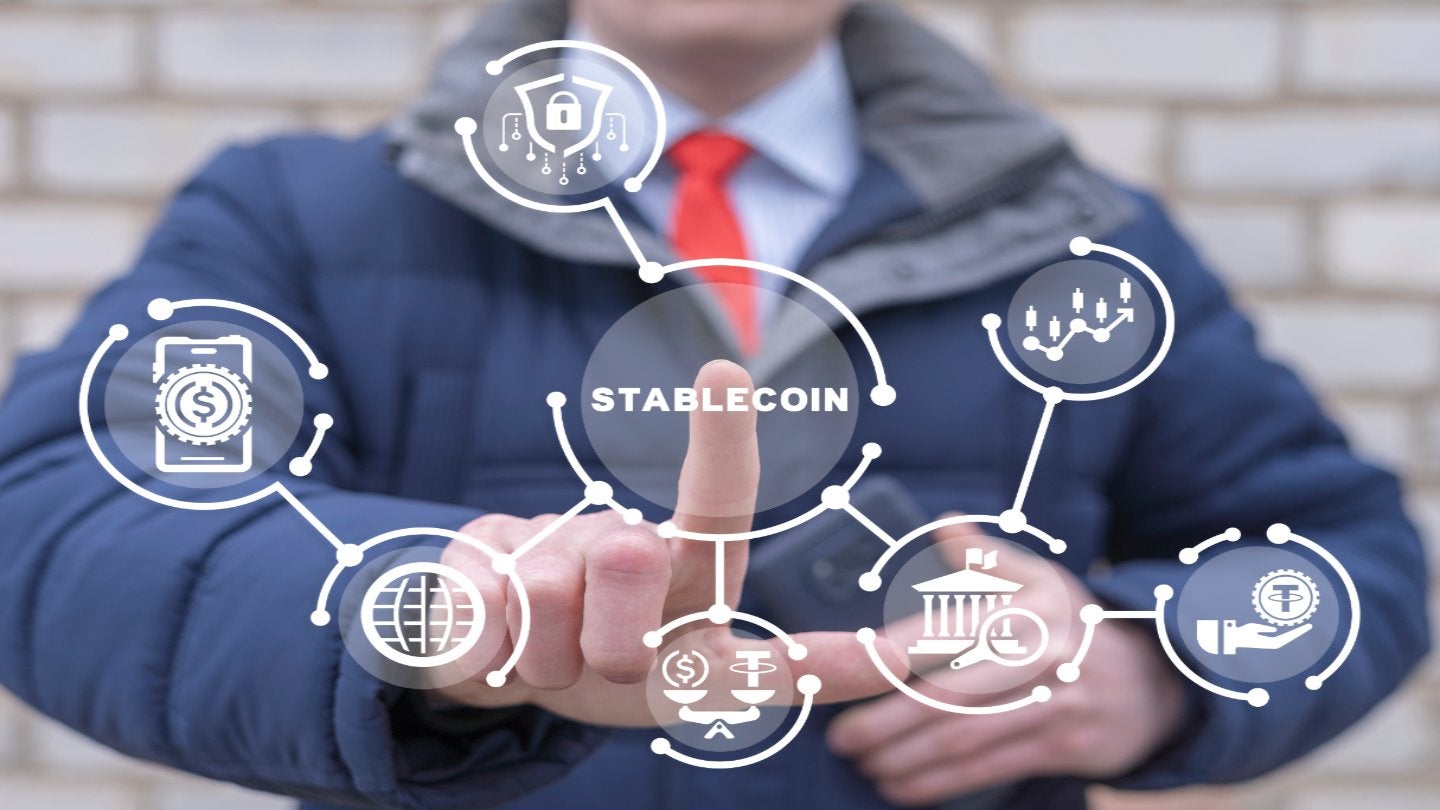
SoFi Technologies and Mastercard have launched stablecoin settlement across SoFi Bank’s debit and credit card programme.
The move brings SoFiUSD settlement to Mastercard’s global payments network, following the partnership the companies announced in March.
Go deeper with GlobalData

Access deeper industry intelligence
Experience unmatched clarity with a single platform that combines unique data, AI, and human expertise.
As part of the rollout, SoFi Bank is moving its entire $25bn card programme to stablecoin-based transaction settlement using SoFiUSD.
The company said SoFiUSD is the first stablecoin issued by a nationally chartered bank.
SoFiUSD is redeemable 1:1 for US dollars. Its reserves consist mainly of cash.
The stablecoin is available for institutional users as well as SoFi members. It is intended for payments, settlement and other financial uses.
The launch changes how card issuers, acquirers and merchants can manage settlement and liquidity through existing payments infrastructure, the companies said.
SoFi said it is in “active” discussions with large merchants across the US on stablecoin-based settlement arrangements. Those talks include companies ranging from multinational retailers to technology service platforms.
SoFi and Mastercard also said they will examine further uses for SoFiUSD settlement on Mastercard’s network.
These include cross-border payments, remittances and other money movement use cases.
SoFi CEO Anthony Noto said:“Merchants do not need to hold stablecoins, build new infrastructure or change how they operate. Through SoFi’s Big Business Banking platform, any merchant can receive settlement funds instantly in a SoFi Bank account and withdraw to cash around the clock and at zero cost.”
Mastercard global head of digital commercialisation Sherri Haymond said:”With SoFi, we’re moving beyond exploration to implementation, bringing regulated stablecoin settlement into a live production environment while preserving the trust, scale and safeguards expected from Mastercard. This is another step toward giving businesses more choice in how money moves.”