Stablecoins are moving from crypto’s fringe to the core of global payments as Mastercard has recently agreed to buy BVNK for $1.8bn. This underscores a strategic pivot toward blockchain-based settlement infrastructure. The deal highlights how payment networks are repositioning to control cross-border money flows, blending faster tokenised settlement with trusted card rails to secure relevance and revenue in an evolving digital finance ecosystem, according to GlobalData, publishers of EPI.
BVNK is a London-based provider of stablecoin payment infrastructure across borders. Operating in around 130 countries and connected to major blockchains, BVNK acts as an on-and-off ramp between tokenised cash and the banking system.
Murthy Grandhi, Company Profiles Analyst at GlobalData, said: “The deal builds on a long-running Mastercard strategy. Mastercard began filing blockchain-related patents in the late 2010s, acquired crypto analytics capabilities in 2021, and has since tested stablecoin settlement, expanded stablecoin support on its network, and partnered with dozens of crypto firms.”
Go deeper with GlobalData

Access deeper industry intelligence
Experience unmatched clarity with a single platform that combines unique data, AI, and human expertise.
Competitors have moved similarly: Visa has used USDC for settlement and supports many stablecoin-linked card programmes; Stripe agreed to buy stablecoin platform Bridge; and PayPal launched its own dollar stablecoin.
Grandhi added: “While it may seem contradictory for the established payment giants to invest in technology once marketed as ‘disintermediating’ them, the picture changes when payments are viewed as two layers: settlement and trust.”
Card networks dominate the trust layer
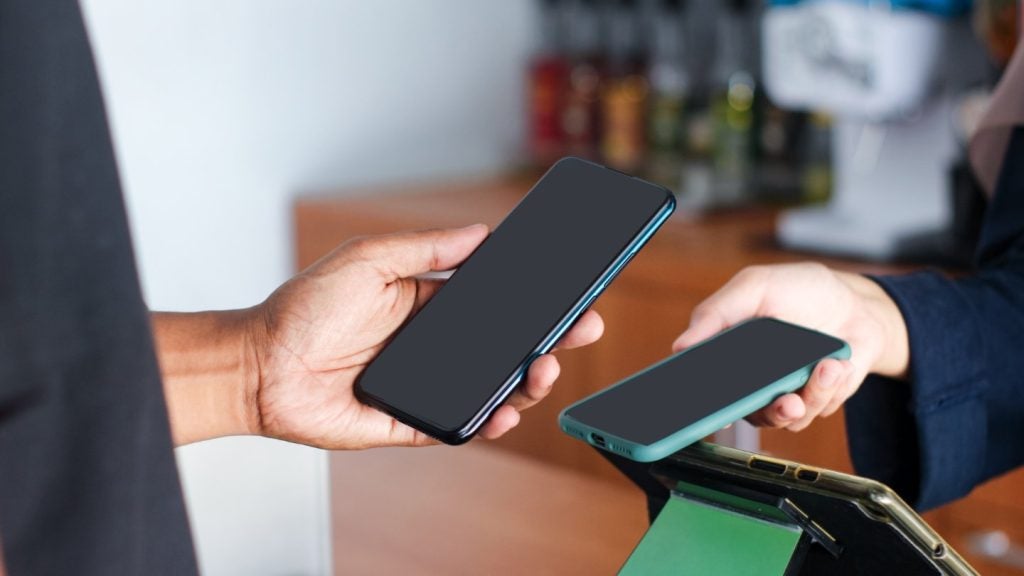
When a consumer taps a card, the approval is an authorisation backed by network rules, fraud systems, and issuer guarantees. Funds typically settle later via banking rails, often in batch. Merchant fees—commonly around 2% to 3% in many markets—help fund services such as point-of-sale credit, rewards, dispute resolution, chargebacks, and fraud protection, which make consumers comfortable transacting with unfamiliar parties.
Grandhi: “Stablecoins primarily compress the settlement layer. Fiat-pegged tokens can move 24/7 on blockchain rails, reaching recipients in seconds with near-immediate settlement—especially attractive in cross-border routes that remain slow and costly.
“However, stablecoins do not inherently provide the protections and commercial rules enforced by card networks. Transactions are typically irreversible, error handling is more difficult, and users still often need local-currency conversion, customer support, and compliance checks—services that bring intermediaries back into the equation.”
That gap is where BVNK—and Mastercard’s interest—comes in. By owning stablecoin infrastructure, Mastercard can defend and potentially expand its role in global money movement as settlement technology evolves. BVNK could help Mastercard reduce friction in cross-border payouts and merchant settlement by moving value faster than correspondent banking and converting it into local bank deposits.
It can also open revenue beyond card “swipe” economics by monetising B2B payments, treasury operations, marketplace payouts, and remittances through infrastructure fees, FX, compliance, and value-added tools.
Mastercard could also make stablecoins effectively invisible to consumers—keeping the familiar card experience while settling obligations in stablecoins behind the scenes to improve speed, cost, and working-capital efficiency.
Finally, as wallets proliferate and more users hold stablecoins, Mastercard can remain relevant at conversion and acceptance points, turning token balances into spendable funds wherever Mastercard is accepted.
Acquisition also hedges against fragmentation
If stablecoins become a standard way to move dollars globally—especially where banking is slow or expensive—control over the gateways between tokens and bank accounts becomes strategically critical. BVNK strengthens Mastercard’s position in that gateway business.
Over time, stablecoins and payment networks are likely to coexist by specialising card networks remaining the primary consumer interface where trust and dispute resolution matter most, and stablecoins gaining share in wholesale settlement, cross-border business payments, and real-time payouts where moving money across jurisdictions and banking hours is the core challenge.
Grandhi concluded: “GlobalData anticipates that the next phase may look less like ‘cards versus crypto’ and more like modular finance: stablecoins as a faster settlement layer, with networks like Mastercard providing identity, compliance, acceptance, and dispute resolution on top—packaging token settlement into trusted experiences without requiring merchants or consumers to become crypto experts.”