Stablecoin settlement is transforming global finance through near-instant, low-cost, and programmable finality across borders. By bridging legacy systems with digital assets, stablecoins are becoming essential infrastructure for 24/7 payments and the future of money.
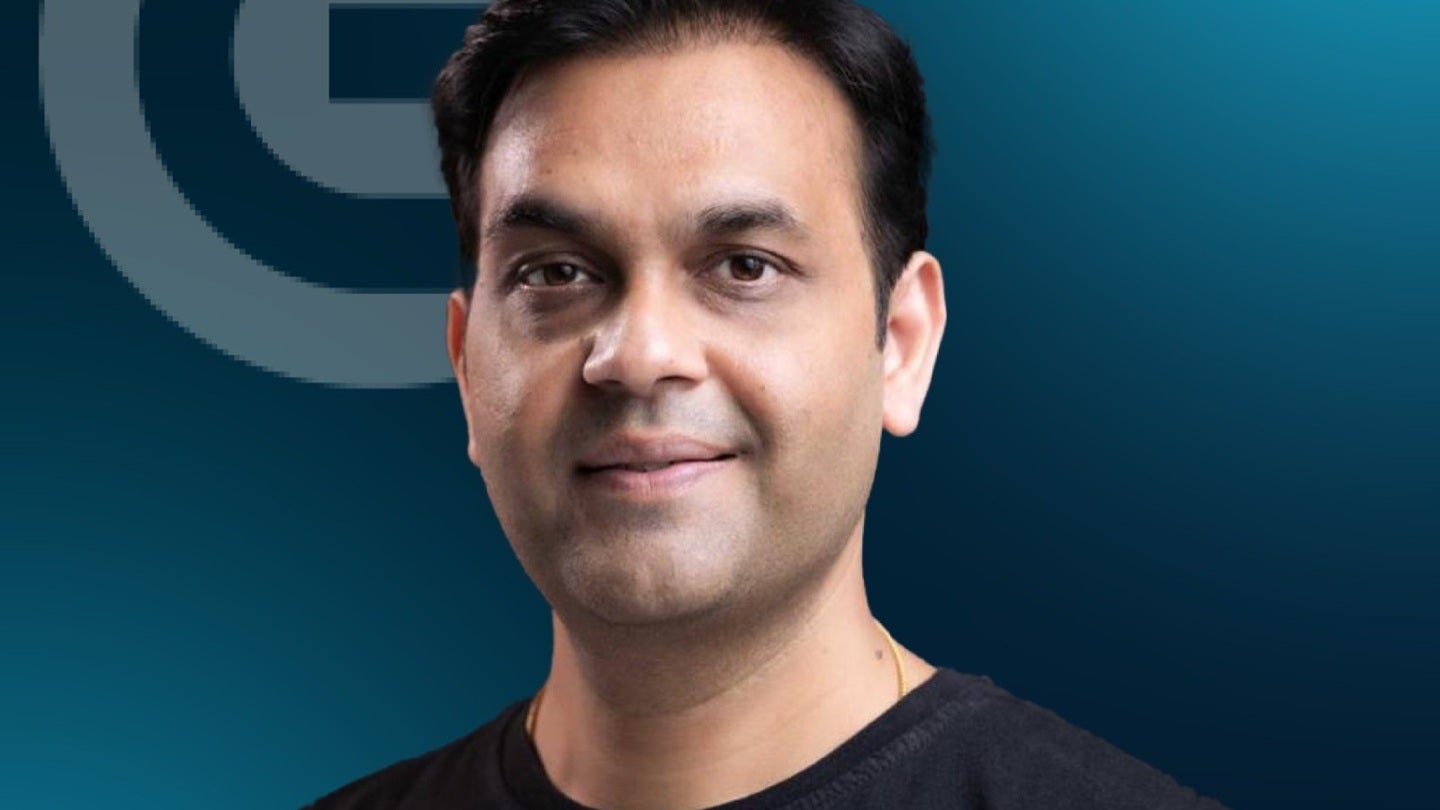
In this interview, Shantnoo Saxsena, the CEO & co-founder of Encryptus, highlights the company’s mid-term targets and its role in the broader ecosystem.
Go deeper with GlobalData


Access deeper industry intelligence
Experience unmatched clarity with a single platform that combines unique data, AI, and human expertise.
EPI: What are Encryptus’s targets for volume or market share in key corridors over the next 3-5 years?
Shantnoo Saxsena: We’re focused on high-cost remittance corridors across Africa and Southeast Asia where legacy correspondent banking creates the most friction. Our immediate priority is proving that stablecoin settlement works at scale through regulated banking partners like Credit Bank in Kenya. Once we demonstrate that the model can handle institutional transaction volumes reliably, expansion becomes a replication exercise. We’re building partnerships corridor by corridor, working with local banks and payment institutions that see value in lower-cost settlement infrastructure. Market share targets matter less than proving the infrastructure works and that regulators, banks, and customers trust it. Volume follows credibility in emerging markets.
EPI: Where do you see yourselves in the broader ecosystem versus SWIFT, Western Union, and others?
Shantnoo Saxsena: We’re infrastructure, not a consumer-facing remittance brand. SWIFT is a messaging layer, telling banks to move money without settling the transaction. Correspondent banks handle settlement, which is where costs accumulate. Western Union is a retail brand operating on top of banking infrastructure. Encryptus sits between those layers. We provide the settlement infrastructure that banks, payment firms, and remittance providers can use instead of correspondent banking. Think of us as the rail, not the train. Our customers are financial institutions that want faster, cheaper cross-border settlement for their end users. We enable them to compete more effectively with incumbent providers.
EPI: Dilip has coordinated G7/G20 working groups on remittances. Do you plan to bring that experience directly into Encryptus’s strategy and product roadmap?
Shantnoo Saxsena: Absolutely. Dilip understands how policy frameworks develop, where regulatory concerns emerge, and how to navigate cross-border payments governance at the multilateral level. That experience directly informs how we engage with central banks and financial regulators in the markets we enter. His insights also shape which corridors we prioritise. He knows where the structural inefficiencies are greatest and where regulatory environments might support infrastructure modernisation. Having someone who coordinated G20 remittance policy on our board ensures we’re building infrastructure that aligns with where international payment frameworks are heading, not just where they are today.
EPI: What concrete improvements in cost and speed can one expect with Encryptus compared to traditional channels?
Shantnoo Saxsena: Cost is straightforward. We charge a flat 1.5% settlement fee, compared to the World Bank’s reported global average of 6% for traditional remittance channels. Settlement speed depends on corridor and local banking infrastructure, but stablecoin-based settlement removes the multi-day delays introduced by correspondent banking chains. In traditional systems, a payment might sit in intermediary accounts for 48-72 hours while banks reconcile and settle. Our infrastructure settles transactions on-chain within minutes, though end-to-end timing depends on local rails for fiat conversion. The real improvement is predictability, where customers know the cost upfront, and settlement doesn’t depend on multiple intermediary banks processing batches.
EPI: With Dilip’s background at the World Bank, do you plan to engage more deeply with multilateral institutions or development finance organisations?
Shantnoo Saxsena: Multilateral institutions increasingly recognise that achieving the UN’s 3% remittance cost target requires infrastructure change, not just policy encouragement. Development finance organisations are exploring how stablecoin infrastructure might support financial inclusion goals in emerging markets. Dilip’s relationships and credibility in that world give us access to conversations that most fintech companies don’t get. We’re a commercial infrastructure provider, so we’re not positioning ourselves as a development project, but our economics align with multilateral development goals around financial inclusion and remittance cost reduction. Those conversations help us understand where policy frameworks are heading and where institutional capital might support corridor expansion.