Walk into almost any UK retailer today and you’ll see significant investment in the shop floor experience. Lighting, merchandising, staff training, digital signage, every touchpoint has been carefully considered. And then the customer reaches the till.
For millions of shoppers, that final moment still means fumbling for a card, waiting for a PIN pad to respond, or abandoning the transaction altogether because the queue is too long. In a world where consumers can order a taxi, check their bank balance and unlock their front door with a glance, checkout has not kept pace. That gap is now commercially significant.
Go deeper with GlobalData


Access deeper industry intelligence
Experience unmatched clarity with a single platform that combines unique data, AI, and human expertise.
Queue abandonment is not a marginal issue. According to research from Deloitte, long queues remain one of the leading causes of lost in-store sales, with retailers consistently citing checkout delays as a direct driver of abandoned purchases. It is not just an inconvenience but lost revenue, brand friction and, increasingly, a reason customers choose a competitor.
From processing payments to removing them
The retailers who recognise this are asking a different question. Not how to process payments faster, but how to remove the act of paying altogether.
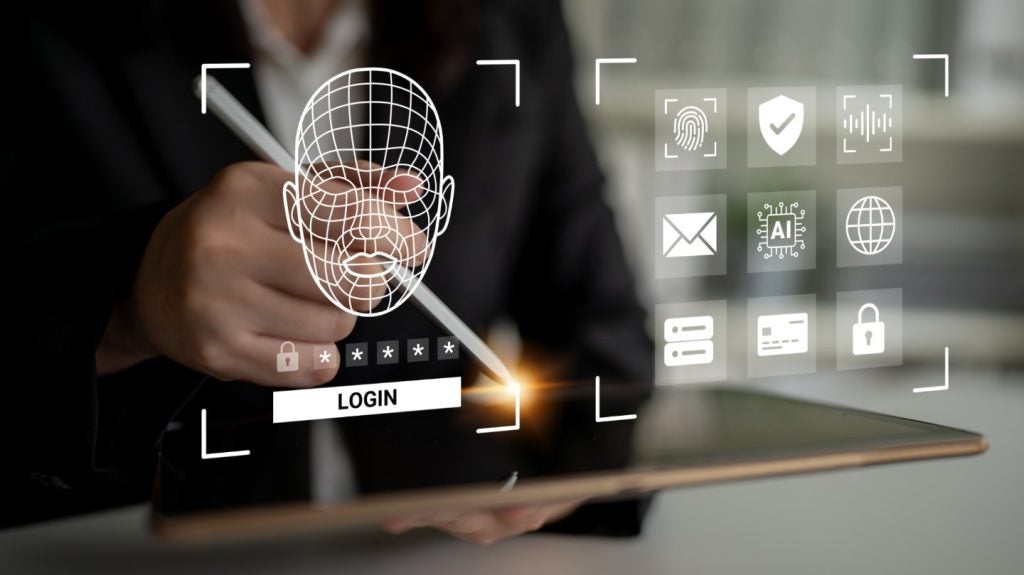
Biometric authentication is the clearest answer the industry has today. Face recognition, fingerprint verification and behavioural signals are converging to create checkout experiences that require nothing from the customer beyond their presence. No card, no PIN, no delay. The transaction happens, and the customer moves on.
This is already happening. Retailers across Europe and Asia Pacific are piloting biometric checkout, and the early results are clear. When friction is removed from the final step of the journey, customers spend more time in-store, complete more purchases and leave with a better impression of the brand.
Security is driving the shift as much as experience
There is a more serious conversation underneath this, and it needs to be addressed. Biometric checkout is a response to a changing fraud landscape.
Fraud is becoming more sophisticated across all channels, and static authentication methods such as PINs and passwords were not designed for the threats retailers face today. Biometrics shift that balance. It is far harder to replicate a fingerprint or facial pattern than it is to compromise a four-digit code. For retailers processing high transaction volumes, the fraud reduction case alone is compelling. The improved experience is the added benefit.
Why the hardware layer matters more than people think
What is often overlooked, however, is the role of hardware in making this possible. Biometric checkout is not simply a software layer that can be added on. It depends on terminal infrastructure capable of handling real-time authentication, processing biometric data securely, and maintaining the certifications required by acquirers and payment schemes. Frictionless checkout is engineered rather than switched on.
This is where many organisations underestimate the challenge. The experience may look simple to the customer, but the infrastructure behind it is anything but.
Accessibility becomes part of the commercial case
There is also a clear accessibility argument that deserves more attention. For customers with cognitive, motor or visual impairments, traditional checkout presents real barriers. Entering a PIN, navigating small screens or handling physical cards is not always straightforward. Biometric authentication removes many of those challenges. It allows customers to complete transactions in a way that aligns with how they naturally interact with the world.
Retailers that take this seriously are widening access and removing friction for a broader customer base.
Adoption is closer than many expect
Retailers across the UK are at different stages in this journey. Some are actively testing biometric checkout and building a case for wider rollout. Others still see it as something for the future. That gap is closing quickly.
What tends to slow adoption is not a lack of interest. Most retail leaders understand where this is heading. The hesitation comes from infrastructure confidence. Businesses need to know that the terminals they invest in today will support the authentication methods of tomorrow.
That question is already shaping purchasing decisions, and it should be.
The moment that defines the brand
Checkout has always been the final impression a customer takes from a store. For too long, that impression has been inconsistent. Biometric technology gives retailers a way to change that, to make the final moment as considered as the first. Those who move early will not only reduce fraud and cut queues. They will define what a modern retail experience feels like.
Jean-Philippe Niedergang, Acting Group CEO / EMEA-PACIFIC-LATAM CEO, Castles Technology