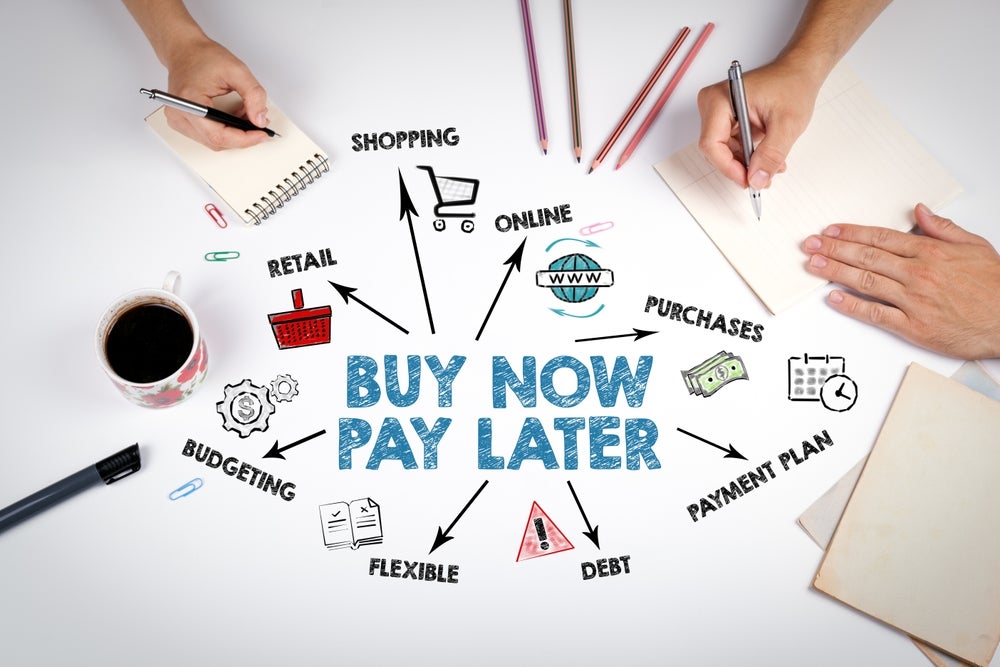
There is nothing more exciting for a nation than a growing middle class. It typically indicates national stability, economic growth, an increase in GDP, and opportunities for companies to cater to families looking to upgrade their lifestyles using their hard-earned incomes. Countries in Southeast Asia and Latin America are especially ripe for innovation, and global brands are taking note. In many emerging markets where credit-card penetration or credit limits remain low, “Buy Now, Pay Later” (BNPL) is surfacing as one of the first accessible credit-enabled payment routes, allowing mobile-savvy consumers to participate in digital commerce without needing a traditional plastic card. The rise of mobile-first economies in Asia and Africa are also setting the stage for BNPL adoption. In Latin America, consumers are already used to paying in installments, and BNPL is a natural next step for those with no credit. However, for companies who want to service this audience, complications of BNPL are a barrier to growth.
The global phenomena of BNPL
Consumers around the world are increasingly reaching for their phones to shop for anything from groceries to flights. In fact, eCommerce traffic from mobile devices in 2025 was estimated to be as high as 70%. Beyond the convenience factor, consumers are using their mobiles to take advantage of integrated BNPL payment options, which are estimated to have reached $560B in 2025. And emerging markets are leading the way. The payment method is already embedded in countries such as Indonesia, where 9% of eCommerce payments go through BNPL, as well as Egypt, India, Saudi Arabia and Colombia. For a truly global reach, companies must be open to alternative payment methods, and that includes increasingly popular BNPL options.
Go deeper with GlobalData


Access deeper industry intelligence
Experience unmatched clarity with a single platform that combines unique data, AI, and human expertise.
How BNPL takes consumers from ‘place in cart’ to ‘buy now’
According to multiple e-commerce studies, without flexible payment options, as many as 70% of online shopping carts are abandoned prior to completing check out. BNPL offers consumers a safe and straightforward way to make larger purchases more accessible, spreading costs over time without traditional credit barriers. In fact, more than 25% of consumers would purchase additional items when offered BNPL options. It also serves as a way to avoid taking on additional credit-card debt while still managing cash flow responsibly. Gen Z, for example, is becoming more adverse to this.
In many emerging markets, formal banking infrastructure is thin. For example, credit card penetration remains low and many consumers have either limited credit or no credit cards at all. In these cases, BNPL has become a practical way for consumers to afford higher-value goods and participate in online commerce. Many are already accustomed to alternative payment methods, and BNPL gives consumers in these regions the opportunity to pay off products in installments, something other regions would do with credit card debt.
BNPL on the merchant side
BNPL is a great opportunity for merchants; translating into higher order values, conversion rate improvements of up to 40% and more first-time customers. It can boost the average ticket size by 50%. This is because payments distributed over time change purchase decisions. A $400 item becomes a $100 commitment when split across four installments. This mental reframing encourages quicker purchase decisions, adding more items to the cart and selecting premium products in categories such as electronics and travel, ultimately reducing drop off at checkout.
BNPL aligns with payment methods consumers already use, such as eWallets, debit cards, bank transfers, checkout flows and apps people trust. While BNPL simplifies things for consumers, the back end for merchants can be complex and cumbersome. Most BNPL aggregators are designed for mature markets with widespread credit cards, robust credit scoring, and standardized payment systems. In emerging markets, where cash, bank transfers, and alternative wallets dominate and credit histories are limited, these platforms struggle to assess risk, comply with local regulations, and gain consumer trust. Without local adaptation and partnerships, they often fail to unlock its full potential. This is especially true for those building BNPL solutions in-house, with credit checks, fraud risk, regulations, and fragmented providers turning a growth driver into an operational burden.
Scalable growth with BNPL solutions
Many companies exploring in-house BNPL solutions are beginning to question whether the payoff justifies the operational complexity and financial risk. Working with third-party BNPL providers allows them to unlock the benefits without having to navigate the fragmented provider ecosystem. Some allow repayments using bank transfers, wallets, and even cash vouchers, and bring together local BNPL champions. Merchants receive payments immediately, and avoid lengthy processes to secure them. Additionally, working with established experts, especially those operating at scale, can increase conversion rates and average order values, while offering consumers a frictionless checkout experience with trusted local payment methods.
The growth of BNPL is a force to be reckoned with in both emerging and saturated markets. While payment options vary greatly around the world, the draw of securely paying in affordable installments is universal to consumers everywhere. For merchants seeking to make their products more attractive to global audiences, offering payment methods such as BNPL are an easy way to usher them from shopping cart to check out.
Clarice Leaman, Alternative Payments Operations Lead of dLocal