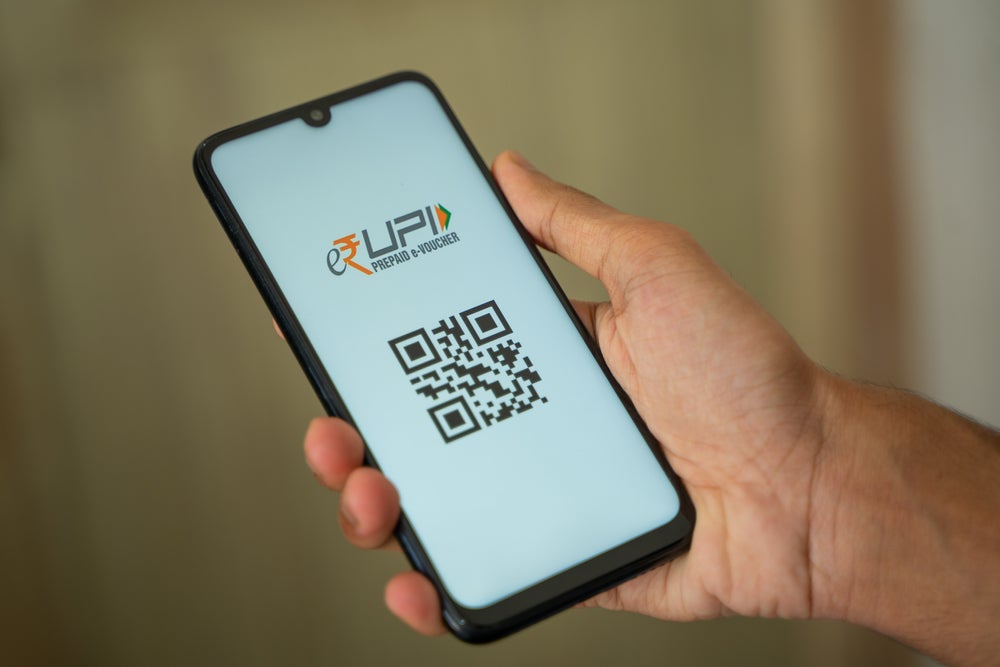
India’s Unified Payments Interface (UPI) has transformed the country’s payment landscape in less than a decade. An economy once heavily dependent on cash now processes more than 18 billion digital transactions every month, with UPI accounting for over 85% of India’s digital payments, reports The Economic Times. While domestic growth continues, UPI is expected to strengthen its international expansion by deepening partnerships with existing countries and establishing new ones.
The UPI instant payment system launched in India in 2016. Developed by the National Payments Corporation of India under the guidance of the Reserve Bank of India, UPI adoption has soared by making payments cheap, simple, and accessible. UPI enables users to make transfers via a UPI ID, phone number, or QR code, without needing bank account details. UPI works across most banks, allowing users to transact via their apps. Merchants can accept payments via a printed QR code or basic integration without costly hardware. Meanwhile, costs are low because UPI payments are typically free for consumers; merchant fees (if applicable) may include processing charges or merchant discount rates but are kept low to support widespread adoption.
Go deeper with GlobalData


Access deeper industry intelligence
Experience unmatched clarity with a single platform that combines unique data, AI, and human expertise.
As a result, UPI has become the default payment method for millions of Indians, gradually replacing both cash and debit cards for everyday transactions. Debit card transactions have declined by 67% since 2021 as per the Reserve Bank of India, reflecting changing consumer behaviour. UPI is now commonly used for low-value purchases, peer-to-peer transfers, and small business payments due to its speed and convenience.
GlobalData Payment Instrument Analytics
The growth in transaction volume highlights this transformation. Instant payment transactions in India rose from around 525 million in 2016 to an estimated 294 billion in 2026 as per GlobalData’s Payment Instrument Analytics. Over the same period, average transaction value has declined, indicating that instant payments are increasingly functioning as a substitute for cash in daily transactions, rather than being concentrated in high-value payments.
UPI influence expands internationally
The platform has already been linked with payment systems in countries including France, Nepal, and Bhutan, while India continues exploring partnerships with additional markets such as Vietnam and BRICs nations. This not only strengthens cross-border transactions for Indian travellers but also increases scope for new commercial opportunities and cross-border economic participation—particularly for small businesses that have traditionally faced strong friction in international payment acceptance.
Despite its success, UPI’s rapid expansion raises concerns around fraud, cybersecurity, and financial stability. This is key as Sanction Scanner notes that India is among the top five countries globally in terms of exposure to financial fraud. As digital and credit-linked UPI transactions continue to rise, regulators will need to strengthen cybersecurity protections and monitor consumer debt risks carefully.
UPI has evolved from a payment platform into critical national financial infrastructure. In addition, its international expansion via UPI One World enables Indian SMEs and tourists to pay abroad without holding a reserve currency, reducing friction in cross-border payments. However, future growth will depend not only on continued adoption, but also on how effectively India manages the growing risks associated with an increasingly digital financial system.
Bhavya Patel is an Associate Analyst, Banking & Payments, GlobalData