
Notable announcements and launches continue to unify and streamline payments across Europe, driven by both public and private sector developments. Following its call for partnership applications in March 2026, the European Central Bank (ECB) has signed key partners to create open payment standards for the digital euro ahead of a planned launch in 2029.
Paysafe has entered the digital wallet competition in Europe by launching PaysafeWallet in 18 markets, while the European Payments Initiative’s Wero wallet integrated with Worldpay (under Global Payments) to expand merchant acceptance. European payment services providers (PSPs) share the main goal of increasing interoperability across Europe’s payments landscape and rails for greater efficiency and autonomy, in a race where a profitable scaling process is required to win, but where privacy and momentum can be equally important.
GlobalData Payment Instrument Analytics
GlobalData’s Payment Instrument Analytics shows that Europe’s annual digital wallet transaction value will surpass €2tn ($2.3tn) in 2027, totalling 5% of total consumer transaction value conducted across all payment tools. In terms of volume, 18% of European payments will be conducted via a digital wallet in 2027, with stronger use for lower-value, high frequency transactions. Yet this still leaves significant room for expansion.
For example, PaysafeWallet is aimed at consumers who currently favour cash, proposing to connect them to a modern digital wallet experience with an IBAN-enabled personal payment account needed to fully participate in the experience economy, from gaming to travel experiences (i.e., the services verticals of ecommerce).
So far, Paysafe has provided a low-risk online payment alternative, enabling consumers to pay cash to purchase prepaid cards that can be used at online checkouts without inputting the details of a bank account- linked payment card. Paysafe’s transition to a complete digital wallet solution highlights continued demand for privacy and security within online payment solutions, serving as a bridge from cash to digital payment ecosystems.
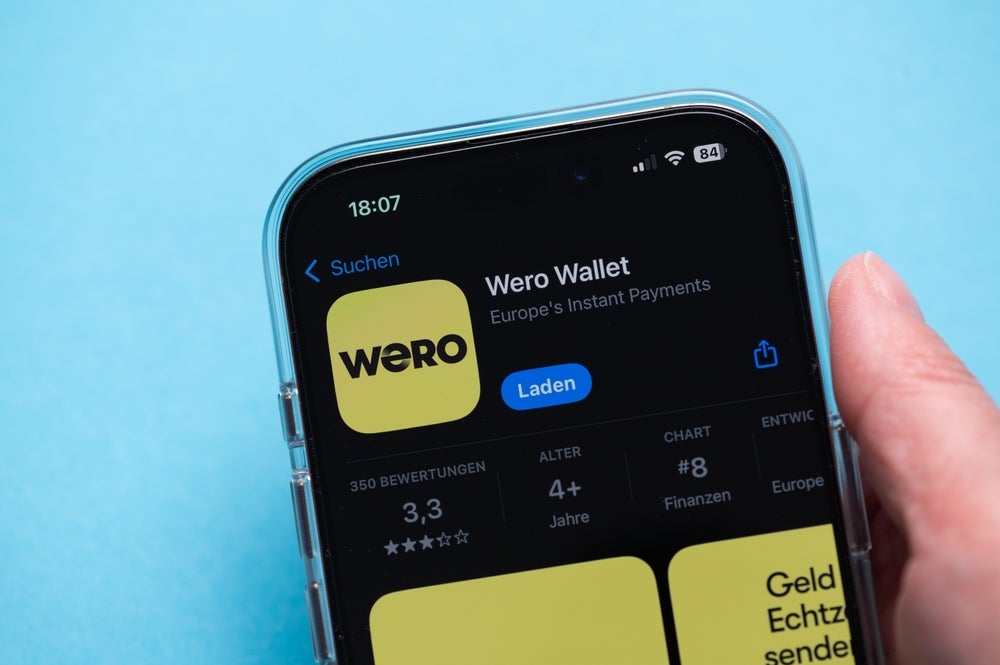
Meanwhile, privacy concerns have been the most cited issue when discussing potential uptake of the digital euro among consumers. New partners the European Card Payment Cooperation, nexo, and the Berlin Group will help set standards around in-store payments, primarily as preparation for digital euro acceptance, but the ECB also plans to lower entry barriers for other PSPs and promote interconnectivity across the continent’s rails with new open standards. However, the next 12-month pilot is not set to launch until the second half of 2027 according to the ECB’s latest statements, indicating a gradual rollout timeline. Yet momentum will be crucial in the process, as any delays from the ECB will open a window for headway from competing schemes. This includes Wero wallet, which is showing a consistent expansion pattern and could shape consumer payment habits in ways that make it difficult for slower-moving competitors to catch up.
Blandina Szalay, Analyst – Banking & Payments, GlobalData