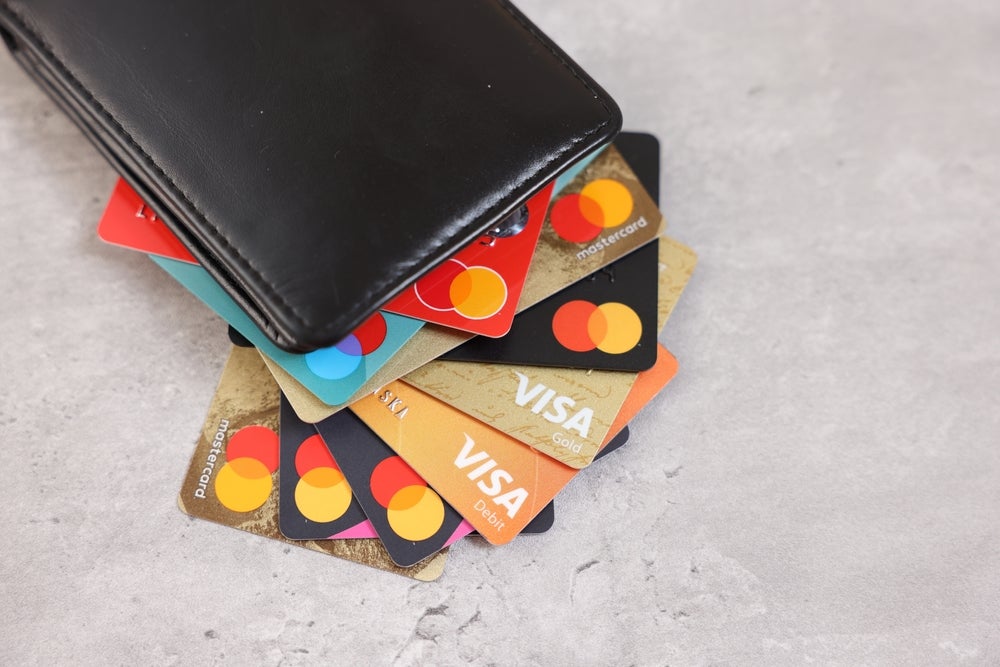
As conversations intensify across Europe and the UK about payment sovereignty, one theme continues to surface: our deep reliance on Visa and Mastercard. These networks have been central to the digital economy for decades, providing fraud protection, dispute resolution, merchant acceptance, and a level of resilience few systems can match.
Their scale and stability remain essential. But as digital payments evolve and instant transfers become more normal, it’s time to broaden the payments landscape rather than attempt to replace the card networks outright.
The real challenge isn’t choosing between cards and alternative, such as Pay By Bank, it’s ensuring the ecosystem has choice (led by convenience vs protection for the consumer, and cost for the merchant), resilience (payments can’t fail), and redundancy (if one way doesn’t work, there needs to be another way available).
Go deeper with GlobalData


Access deeper industry intelligence
Experience unmatched clarity with a single platform that combines unique data, AI, and human expertise.
With so much economic activity flowing through just two global networks, the question is no longer whether concentration risk exists, but how we build complementary rails that offer the same trust and reliability that consumers and merchants already expect. And we have seen other markets like India, Brazil and Malaysia successfully do this.
New rails need more than real‑time speed
Building a sovereign or alternative payment rail is often portrayed as a matter of deploying real‑time A2A technology. But speed alone does not make a payment system viable. What drives real‑world adoption are the critical layers around the payment rail: convenience, consistent user experience, dispute support, fraud prevention, authentication, customer protection, and seamless merchant integration. Card networks have spent decades refining these elements into a mature, stable payments capability with global adoption and consistency.
Any meaningful alternative, such as Pay by Bank, must therefore offer not just real‑time capability, but real‑time certainty, with infrastructure and orchestration layers that connect banks, merchants, and consumers securely and predictably. Without these, merchants are left to recreate card‑like protections themselves or rely on “as good as cash” experiences that fall short of expectations in most use cases.
Interoperability: The blueprint from emerging leaders
Countries like Brazil (Pix), India (UPI), and Malaysia (DuitNow) demonstrate what it takes to deliver interoperable, national‑scale Pay By Bank schemes. In the example of Malaysia’s DuitNow, it also links with Singapore’s PayNow system enriching the experience between these two countries and also demonstrating the cross-border use case.
Success of these Pay By Bank schemes is not solely technical, it’s structural. Payments are treated as shared national infrastructure, aligning banks, regulators, and providers under common rulebooks, shared standards, a consistent customer experience and strong fraud controls. This collaboration created predictable, convenient and value adding experiences for consumers and merchants, driving widespread trust, adoption and habit.
Europe’s next step is similar: ensuring that “Pay by Bank” and other Account-to Account experiences work seamlessly not just at checkout, but across all points of need, from peer‑to‑peer transfers to everyday retail transactions. Until user journeys are consistent, intuitive, and protected, A2A schemes will struggle to achieve the “stickiness” needed to meaningfully expand the payments ecosystem.
The road ahead for Europe
Sovereign payment ambitions are not about dismantling what works; they are about complementing it with modern, interoperable, resilient alternatives that give consumers and merchants more choice. Achieving this requires coordinated industry effort, robust technology foundations, and a unified vision of what the next era of payments should look like.
If Europe gets this right, it won’t simply reduce dependency on card networks, it will elevate the entire payments ecosystem with more flexibility, stronger safeguards, and greater long‑term resilience.
Dean Wallace, Director of Consumer Payments Modernisation, ACI Worldwide