
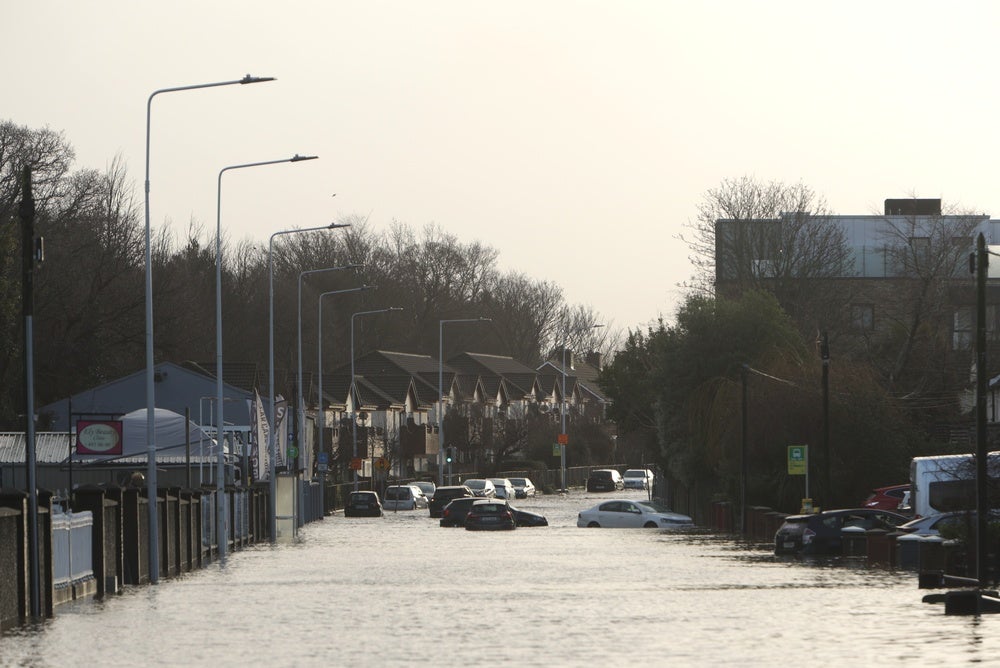
The UK has just experienced its wettest winter on record. Storms Chandra and Goretti disrupted communities nationwide, with Goretti alone cutting power to more than 65,000 homes. Unsurprisingly, they also contributed to a year-on-year decline in footfall on UK high streets this January.
Extreme weather presents obvious safety risks, but it also creates operational and commercial disruptions for businesses on the high street. When infrastructure, such as overhead power lines or fibre cables are damaged by storms, power and network connectivity failures follow.
Go deeper with GlobalData


Access deeper industry intelligence
Experience unmatched clarity with a single platform that combines unique data, AI, and human expertise.
For many businesses, this can mean card terminals that rely on these networks are unusable, preventing customers from paying for their goods. The past few months remind us that these events are not one-off cases. They are recurring stress tests for the UK’s payment infrastructure.
Building a resilient payment infrastructure for retailers means having a mitigation strategy in place so that when one system fails, other payment options such as cash, are available.
Cash is what keeps retailers trading on the high street
For businesses on the high street, especially independent retailers, cafés and service providers, the stakes are high if trade grinds to a halt. For businesses that are already under pressure from rising costs, losing a day’s takings can be significant. A study released last summer revealed payment system failures are costing UK retail and hospitality businesses an estimated £1.6 billion annually.
Consumers feel this deeply too. Research1 recently commissioned by Post Office found half of UK adults said they’ve experienced not being able to pay for something using card due to a terminal failing, and 43% also said they have felt stressed or anxious during banking app outages, and rightly so. It highlights just how important cash access and acceptance are to keeping high streets trading. The positive news is that consumers are prepping for these disruptions – almost two-thirds (64%) say that they’re keeping a cash reserve at home specifically for emergencies or digital outages.
Maintaining access to cash
The case for maintaining access to cash and its acceptance on the high street isn’t a sentimental one, it ensures choice for consumers and provides a safeguard for businesses to continue trading. Post Office’s recent cash tracker data2 confirms this, with UK cash transactions rising by 4% in 2025 compared with the previous year and December alone seeing an 8% increase year-on-year. In total, more than 163 million cash transactions took place across Post Office branches last year.
During periods of disruption, branches often see increased demand as people seek reassurance and practical support. At the Post Office, we’re passionate about cash access in the UK and are committed to maintaining access to cash on high streets until at least 2030. Through our Banking Framework deal with 30 banks and building societies, our branches across the country continue to provide essential cash services, including for those who are vulnerable or in remote areas.
However, access and acceptance go hand in hand – it’s not enough for consumers to hold cash if local businesses don’t accept it.
Planning for the next disruption
Climate change is making severe weather more frequent and more intense. That means disruptions due to storms and floods won’t be a rare exception, they might be a regular occurrence.
As more of the economy relies on digital payments, resilience becomes just as important as innovation and a modern payments system shouldn’t have to choose between the two.
The answer is a balanced approach; we must strengthen digital networks and protect cash access too. Retailers, payment providers and banks all have a role to play in supporting both so communities and businesses can keep trading when the lights go out.
Ross Borkett, Financial Services Director, Post Office