
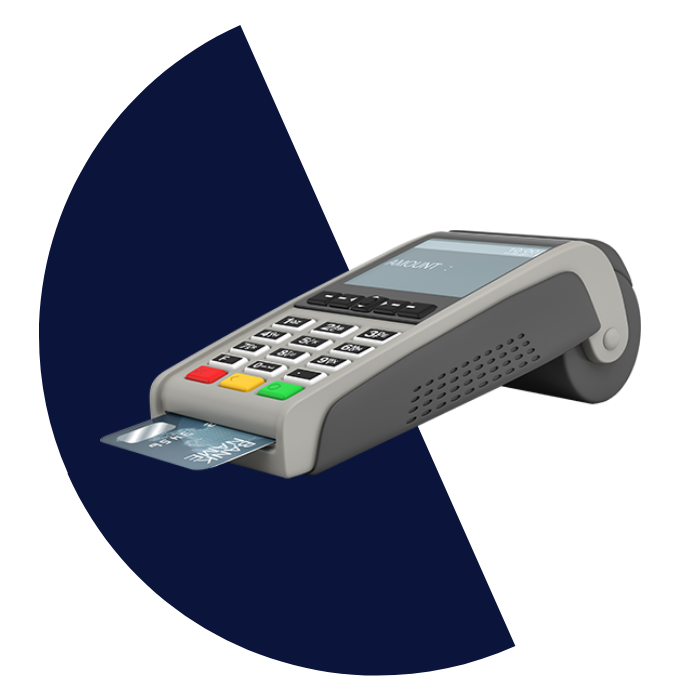
Digital innovations such as mobile wallets, app-based banking and online checkouts have made payment experiences faster and more convenient than ever. Yet the physical payment remains ubiquitous. Worldpay’s annual Global Payments Report 2026 shows that 48% of global in-store spending is from direct card usage, despite the findings revealing that many of the younger generation are replacing physical wallets with digital solutions.
For many customers, cards remain familiar and easy to use. But they are also reassuring in particular circumstances. A consumer who forgot to charge their phone might be left unable to complete a transaction via their mobile-based digital wallet as the device dies. In this scenario, having the backup of a card can ensure the payment still happens. Which is why the future of payments is likely to feature the card as a key component, becoming part of a connected experience that blends the confidence of physical payment tools with the speed and flexibility of digital services.
The continued value of something tangible
The physical infrastructure of traditional banking has receded. In 2025, an estimated 8,000 bank branches around the globe closed as the world continued its shift to digital banking. Something interesting has happened while digital wallets and app-based banking have grown in popularity in recent years: card payments still accounted for over half (57%) of the total number of non-cash payments in the first half of 2025 in the EU according to The European Central Bank
In the absence of an in-person service desk in a bricks-and-mortar bank branch, the card remains the physical object that represents the brand in the real world. It travels with its owner and is often used multiple times in any given day, remaining trusted and familiar to consumers as a longstanding form of payment.
Cards have also enhanced their value to consumers by becoming personalised as well. Consumers increasingly expect financial products to reflect their preferences, values and lifestyles. This is very much visible in the rise of cards made from recycled materials, premium metal cards, colourful card designs, accessible card features and tailored card packaging. AI-led innovations are even enabling consumers to generate custom images using simple prompts to design new payment cards. All of a sudden, consumers are carrying a card that fully reflects their tastes and preferences. If banks can offer these capabilities to their customers, they can take steps to differentiate in a competitive market where many digital services can look and feel similar.
Smarter cards for a more secure payment environment
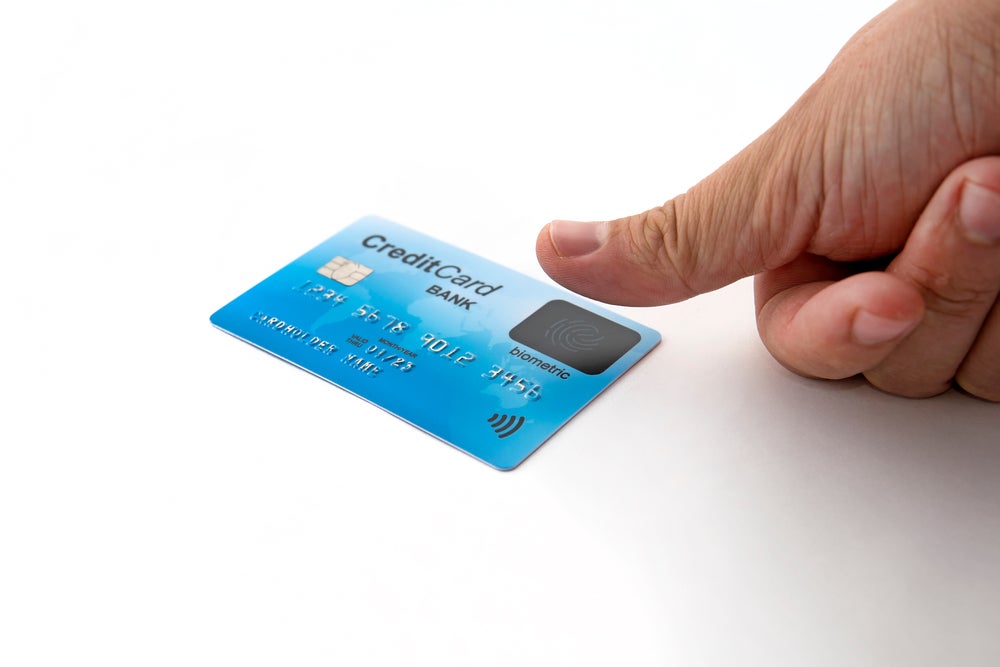
Security is another reason why the physical card continues to evolve and offer value to users. As an example, modern smart cards are increasingly connected to broader security and authentication systems. Tokenisation, for example, can protect sensitive card credentials by replacing them with digital tokens that can be used for mobile wallets, online payments and in-app transactions. Biometric payment cards take the security aspect further by adding fingerprint authentication directly to the card. This enables users to pay as they would with a regular contactless card, with the transaction authorised by a fingerprint match. A third example are cards with dynamic verification codes: the code changes with each transaction. By regularly refreshing the security code, the card helps reduce the likelihood of fraudulent use when card data is compromised.
Consumers expect payments to be quick, but they also expect them to be safe. Cards that incorporate improved protection while ensuring everyday transactions continue to remain as seamless as possible, will see the most uptake among the public.
A phygital future
Digital-first banking doesn’t equate to digital-only; cards are not going anywhere. Rather than being replaced by mobile-first services, the future will be defined by the payment card being absorbed into a wider phygital payments experience, where physical and digital channels collaborate with each other.
Cards remain familiar, trusted and reliable and can be personalised to add further value to the user. They are also being upgraded with innovative security features to enhance the payment experience. Also, when linked to a mobile wallet, activated through an app, personalised online, issued instantly, authenticated and managed via digital controls, they remain a key part of the phygital offering.
Karen Coe, Head of UK Sales, for PayTech, at G+D