
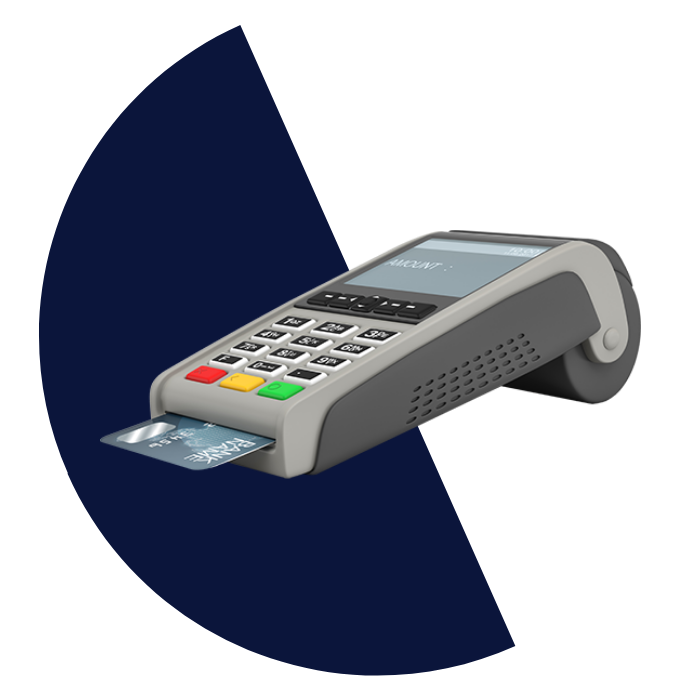
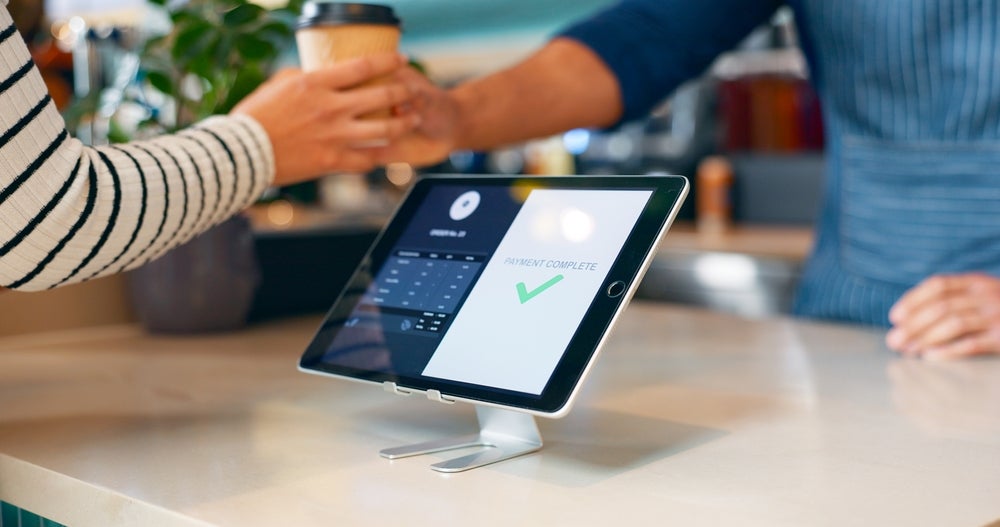
For twenty years, the point of sale did one job. It took the payment, processed it and printed the receipt. Reliability mattered, speed mattered but beyond that, there was not much to discuss. However, today, that description no longer fits as payments have become almost invisible, handled instantly by the tap of a card or phone, often without the customer thinking about the process at all.
Once payment stops being the point, merchants begin asking a different question: what else can this technology do for my business? The point of sale has crossed a line as it is becoming business infrastructure rather than simply a payment device and I believe three shifts explain how we got here.
Payment became effortless
Contactless cards and mobile wallets now dominate everyday transactions. Around 90% of UK merchants support mobile wallets, according to The Payments Association’s 2025 merchant survey, while smartphone payments are rapidly approaching parity with physical cards at the point of sale.
The removal of the UK’s fixed £100 contactless limit earlier this year has added further momentum. Banks can now set their own thresholds or remove them entirely, opening the door for contactless use across more higher-value transactions. That is particularly relevant in sectors such as hospitality, healthcare and luxury retail, where average transaction values previously meant customers were more likely to use chip and PIN.
Merchants no longer separate payments from operations. The payments industry still often talks about terminals but merchants increasingly do not because they talk about running stores, serving customers, reducing operational complexity and understanding how their businesses are performing. Payments are simply one part of that conversation.
POS became operational
Cloud connectivity means a payment device can now connect with inventory, staffing, customer loyalty and wider business systems in real time.
Mobile POS devices allow employees to take payments wherever the customer is, improving sales journeys and reducing queues. Self-service kiosks, assisted checkout units and scan-and-go technology have moved from convenience to essential infrastructure in many high-throughput environments.
Cloud-connected platforms also allow devices to be updated, monitored and managed remotely. They give merchants access to richer transaction data, helping them understand customer behaviour, optimise inventory and refine pricing strategies.
Artificial intelligence is adding another layer, enabling more personalised and data-led interactions at the point of sale. And what does that all result in? The point of sale has quietly become one of the most important systems in a merchant’s operation.
Service became the competitive advantage
Hardware clearly remains essential – devices must be secure, reliable, durable and easy to use. However, hardware alone is no longer enough to win or retain merchant business. With more than 60 Independent Sales Organisations estimated to be operating in the UK, differentiation increasingly depends on everything surrounding the device. That includes how quickly terminals can be deployed, how easily they can be configured and updated, how effectively issues can be resolved remotely and how consistently a provider can maintain service across a large and dispersed estate.
Therefore, I believe the next battleground is in operational simplicity. But what that means in practice depends on where you sit within the payments ecosystem.
Different merchants are buying different outcomes
For merchants, the buying decision has changed because reliability and ease of use remain fundamental, but businesses also expect payment flexibility, integration with wider systems, transparent pricing and responsive support. For example, a café and a large retail chain are no longer buying the same thing when they buy a payment terminal. The café is likely to prioritise simplicity, affordability and ease of setup. It wants to accept card and mobile payments quickly, with minimal technical complexity and no need for dedicated IT support.
Cloud-based POS platforms can also give smaller merchants access to capabilities that were once available primarily to larger organisations, including sales reporting, inventory management and customer insight. It is worth noting that most merchants onboarded through ISOs in the UK are SMEs, typically with annual card turnover below £380,000, according to the Payment Systems Regulator.
A larger retailer is looking for something different. It needs a platform capable of handling high transaction volumes and integrating with its stock management, customer relationship management, accounting and e-commerce systems. It may also need to manage payments across stores, websites and mobile channels as part of a single, connected customer experience.
What’s more, vertical markets introduce their own requirements. Hospitality venues may need mobile payment acceptance at the table or self-service kiosks that reduce queues and improve labour productivity. Transport operators require fast and dependable checkout experiences. Healthcare environments may need intuitive devices that can be used by different employees with minimal training.
Operators in outdoor or high-throughput environments often depend on unattended terminals that must withstand demanding conditions while processing transactions consistently and securely.
In summary, there is no single model of modern POS because there is no single model of a modern merchant.
The operational challenge facing ISOs
For ISOs and acquirers, meeting these different requirements is a harder problem than it appears. Managing a large fleet of terminals across multiple merchants, sectors, vendors, software versions and operating environments creates significant logistical and operational complexity. It is not simply about supplying the device.
The terminal must be stored securely, configured for the merchant, dispatched, installed and activated. It must then be monitored, updated and maintained throughout its working life. When something goes wrong, the provider needs to diagnose the problem, repair or replace the device and minimise merchant downtime. At the end of its useful life, the terminal must be returned, refurbished, recycled or disposed of responsibly.
These responsibilities become increasingly difficult to manage as a provider grows. Without effective lifecycle management, new merchant acquisitions can add operational strain as quickly as they add revenue. That is why more ISOs, acquirers and payment providers are working with specialist partners that can manage the full terminal lifecycle. This allows them to focus on merchant relationships, service innovation and growth, while ensuring the operational backbone of their offering can scale with them.
Sustainability is becoming a commercial consideration
There is also a sustainability dimension that does not receive enough attention in discussions about payment infrastructure. A structured approach to repair, refurbishment and recycling does more than reduce waste. It can extend the useful life of hardware, recover value from existing assets and reduce the need for unnecessary replacements.
This increasingly makes sustainability a commercial consideration because a device that is repaired and redeployed rather than replaced is doing double duty. It is reducing costs while supporting the provider’s sustainability goals. Lifecycle management also gives ISOs and acquirers greater visibility over their terminal estates. They can make more informed decisions about which devices should remain in service, which require maintenance and which should be replaced or recycled.
Product alone is no longer enough
For payment technology manufacturers, the implications are clear. The device remains the starting point, but much of the value now sits in what surrounds it: deployment, support, remote management, lifecycle services and the ability to integrate with the merchant’s wider operation.
The best payment technology should almost disappear into the background. It should work reliably, connect seamlessly and be managed without creating unnecessary demands on the merchant. Overall, The next generation of POS will be judged by how effectively it helps merchants run their businesses.
Jean-Philippe Niedergang, Acting Group CEO / EMEA-PACIFIC-LATAM CEO, Castles Technology