
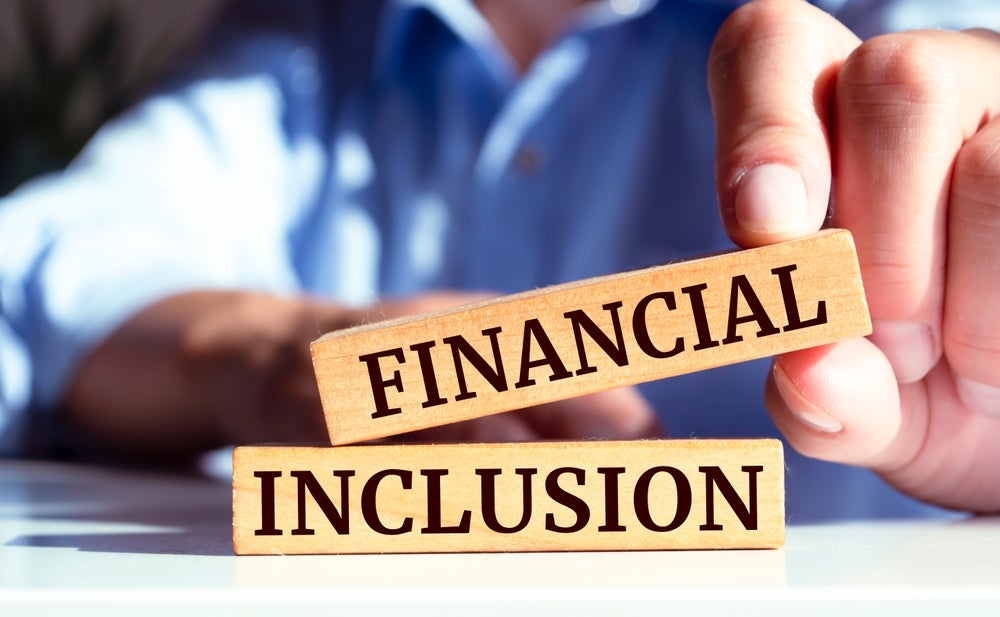
For years, financial inclusion has been judged through an access lens: how many accounts have been opened, how many branches have been rolled out, how many loans have been disbursed. These are useful indicators of reach, but they only tell us part of the story. A financial institution might open 400 accounts in underserved communities—but the real question is how many of those 400 people were able to build resilience, grow their income, or invest in their futures as a result. If we stop at counting outreach, inclusion becomes, at best, a job half done.
From inputs to outcomes
Too often, the distinction between access and impact is blurred. Access—expanding the number of loans, cards or accounts—is an input. Impact deals with outcomes: how many of those loans helped people below the poverty line smooth volatility, grow businesses, or avoid distress sales in a bad season. Yet many institutions still treat access as the finish line, labelling inputs as if they were outcomes.
Go deeper with GlobalData


Access deeper industry intelligence
Experience unmatched clarity with a single platform that combines unique data, AI, and human expertise.
When that happens, inclusion efforts are not properly evaluated, and financial inclusion becomes disconnected from accountability. If we are serious about inclusion, we have to ask who is actually benefiting from the services provided, and how those benefits are distributed—particularly among groups that are typically underserved, such as women, young people, low‑income households and rural communities. What was done should be the starting point, not the end point; success should be measured by lives changed, not just accounts opened.
Using data to understand real impact
One practical way to bring outcomes into view is to adopt robust, poverty‑focused measurement tools alongside traditional portfolio data. The Poverty Probability Index (PPI) is one such tool: a validated, 10‑question, country‑specific scorecard, maintained by Innovations for Poverty Action, that estimates the likelihood a household lives below a chosen poverty line.
Built from national household survey data, the PPI is now used by hundreds of organisations around the world. Used well, it becomes a bridge between outreach metrics and real‑world outcomes. Combined with behavioural and portfolio data, the PPI allows institutions to:
- Understand which segments they are truly serving, and how poor clients are.
- Tailor pricing, tenors and service models to different client groups.
- Identify when non‑financial services—such as financial literacy, business coaching or agri‑extension—are needed for the most vulnerable clients.
The purpose is not to label people, but to make sure products and capital are reaching those who need them most, and to track whether that support is actually improving their lives over time.
US Tariffs are shifting - will you react or anticipate?
Don’t let policy changes catch you off guard. Stay proactive with real-time data and expert analysis.
By GlobalDataA missing piece for governance and accountability
Poverty metrics like the PPI fill a critical gap for financial institutions that want to be sure their products are affordable, sustainable and effective for low‑income customers. They provide a structured, comparable framework for understanding who is being reached and how their situation is evolving, rather than relying on anecdotes or one‑off case studies.
They also strengthen governance. In microfinance and inclusive finance, the Universal Standards for Social and Environmental Performance Management call for client‑centred strategies, outcomes monitoring and responsible growth. Using recognised poverty measures helps institutions meet these expectations while also aligning with investor demand for consistent, evidence‑based impact reporting. In short, they turn “impact” from a narrative into something that can be measured, tested and improved.
The business case for measuring poverty
Reframing inclusion around impact is clearly the right thing to do from an ethical and investor‑relations perspective, but there is also a hard‑headed commercial rationale for measuring poverty.
Tools like the PPI unlock insights that help institutions:
- Fine‑tune products and delivery to the realities of different segments, reducing drop‑outs and improving client retention.
- Identify and manage vulnerability, informing early‑warning systems and hardship protocols when shocks hit.
- Protect portfolio quality, because understanding clients’ starting points and trajectories helps lenders design products and support that are more resilient by design.
In other words, the same data that underpins better impact management also supports better risk management and business planning. Ethics and strategy reinforce each other.
Redefining what success looks like
Shifting the focus from access to impact might sound like a subtle change in wording, but it represents a profound shift in how we define success. The real goal of financial inclusion is not simply to bring people into the formal financial system; it is to enable them to build stability, invest in their futures, and withstand shocks that would otherwise set them back for years.
If we continue to measure inclusion primarily by outreach—by the number of accounts, cards or loans—we will always be guessing at whether that goal has been met. When we measure inclusion by outcomes, we can finally start to answer the only question that really matters: are our clients better off?
Until we make that shift, we cannot honestly say that financial inclusion has been achieved—only that it has begun.

Jonty Rawlins, Director of Sustainability at Platcorp