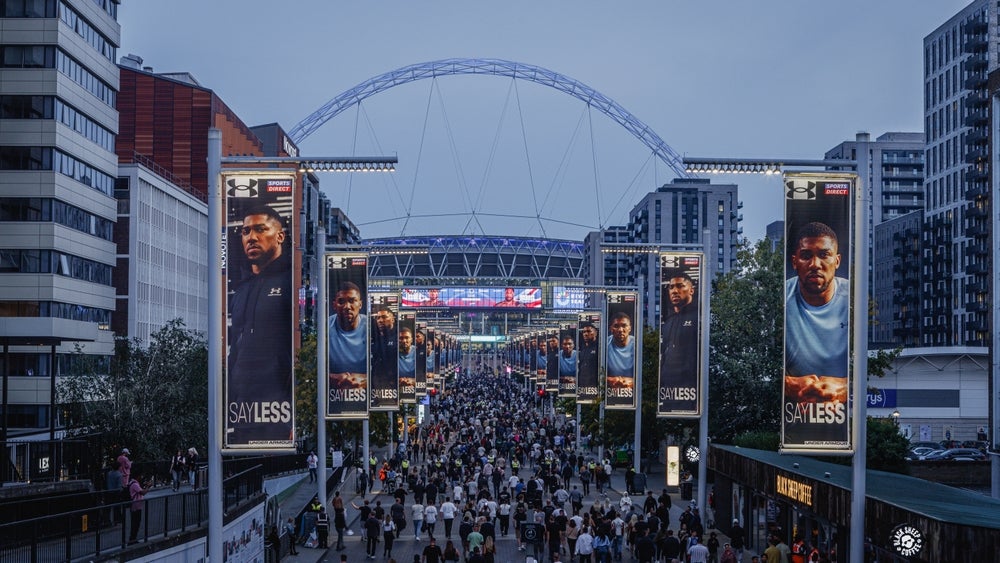
When fans poured back into stadiums for the Rugby League Ashes 2025, England’s first home fixtures in 20 years, their presence transformed more than the stands. Local cafés, pubs and restaurants in host cities London, Leeds and Liverpool became the gathering places for pre-match excitement and post-game celebrations, showing how hospitality turns national sport into shared community moments.
Crowds brought the same surge in local spending throughout the year, from the Women’s Rugby World Cup 2025 to Wimbledon and other headline sporting fixtures. The Women’s Rugby World Cup sold 444,465 tickets and drew 81,885 fans to the final between England and Canada, the largest crowd ever for a women’s rugby match. Half of those spectators were attending women’s rugby for the first time, and 95% said they planned to return.
Go deeper with GlobalData


Access deeper industry intelligence
Experience unmatched clarity with a single platform that combines unique data, AI, and human expertise.
Spread across eight UK host cities, the tournament drew huge local turnouts: in Bristol alone, the Local Visitor Economy Partnership reported that more than 92,000 fans attended two quarter-finals and both semi-finals of the tournament. The surge helped city-wide hotel occupancy surpass 90% and weekend revenues rise by up to 30%.
What the data shows about hospitality readiness
Ninety-seven per cent of hospitality businesses see themselves as part of the fabric of their community, according to Lloyds Merchant Services’ From Till to Table report.
You can see that on match days, when local venues become the places where friends reconnect, visitors discover new favourites and staff welcome familiar faces back through the door.
And anyone who has worked a busy bar knows how quickly that community feeling is tested once the whistle blows. Queues build, orders double and expectations rise, It’s in those moments that service and speed matter most.
To keep those moments flowing, many businesses are rethinking how they serve at the till. Lloyds’ research also shows that 60% of businesses are upgrading their payment systems to improve speed, while 77% say contactless is now the most requested way to pay. One in five say customers often ask to split the bill.
Those small details add up to a bigger trend: guests now expect technology to keep pace with their experience. When large groups arrive together, a smooth and reliable checkout helps people stay part of the moment rather than waiting in line.
Fast payments keep crowds moving and staff focused. They also build trust. A seamless experience turns one-off customers into regulars and transforms busy days into an opportunity for long-term loyalty. This isn’t just about transactions; it’s about the rhythm of service and how technology quietly supports it.
Lessons from a year of connection
The energy of the past year shows that sport continues to be one of the strongest catalysts for hospitality growth. Each major event brought people together and tested how ready businesses were for the surge in demand. The venues that planned ahead, invested in reliable payment technology and trained teams for peak hours were able to focus on what really matters, welcoming guests and delivering a great experience.
These moments remind us that preparation is not a technical exercise; it is a people one. Being ready means staff feel confident, customers feel looked after and owners can concentrate on service rather than systems. The hospitality businesses that understand this balance are the ones that turn sporting excitement into sustainable success.
Looking ahead to a packed sporting calendar
The momentum from this year will carry into what is shaping up to be another vibrant cycle of sport. With upcoming events such as the Rugby World Cup 2027, UEFA Euro 2028 and major concert tours on the horizon, the opportunities for hospitality will keep growing. Each will bring new audiences, more visitors and greater demand for fast, effortless service. The challenge now is to make sure every business, from the independent café to the multi-venue restaurant group, can capture that potential.
Turning moments into momentum
Sport continues to highlight the best of hospitality. It brings people together and reminds us that great service is about more than speed; it is about making everyone feel part of something bigger. When technology works smoothly, it disappears, leaving the atmosphere, the people and the connection in focus.
Matches may turn on a bounce of the ball, but the hospitality outcome is certain. Guests leave satisfied when service and community move together and that result lasts far longer than the final score.
Melinda Roylett, Managing Director at Lloyds Merchant Services