
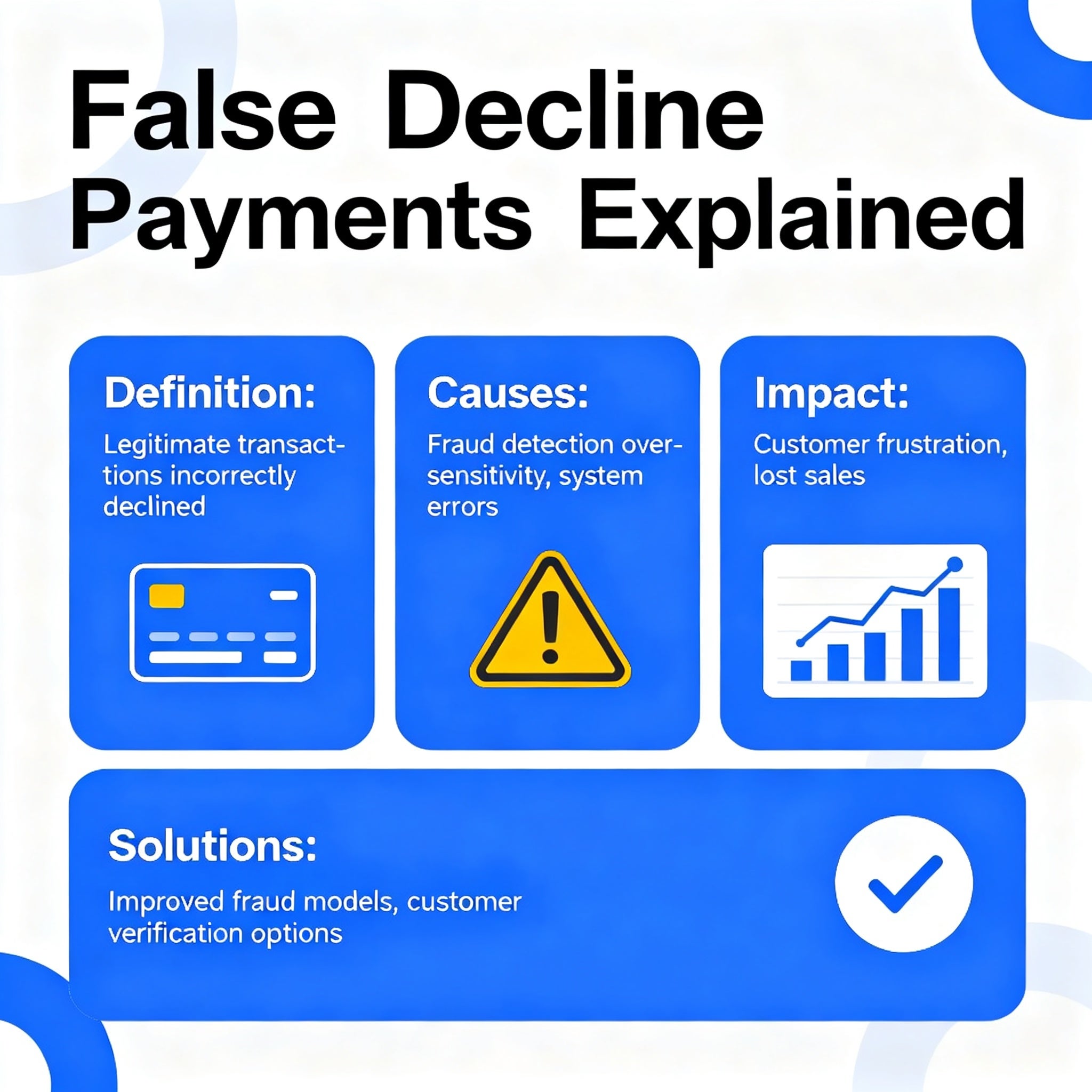
Every approval decision puts merchant revenue at risk. In high-risk payments, incomplete signals make that decision harder, while stricter thresholds can also reject profitable customers. False declines should therefore be treated as part of the economic cost of risk, alongside fraud losses.
False declines represent a systemic revenue leak across payment rails. Over 35% of digital asset and cross-border payment failures are a direct consequence of overly conservative risk thresholds, driving an estimated $110 billion in annual revenue leakage across high-risk payment rails.
Go deeper with GlobalData


Access deeper industry intelligence
Experience unmatched clarity with a single platform that combines unique data, AI, and human expertise.
More critically for platform growth, 71% of financial institutions report higher customer churn caused directly by their own fraud prevention controls, while 42% of users abandon a platform after a failed payment. Downstream operational costs, manual reviews, and lost user lifetime value now push the true cost of every fraud dollar to $5.75 for US financial platforms.
Economic pressure around failed payments has increased the use of behavioural, network, and historical data at authorization in high-risk payments. However, digital asset transactions expose the limit of that approach. A genuine, authenticated customer can still initiate a transfer that ends in a complete financial loss.
The risk may sit in the behaviour and circumstances around the transfer rather than in the customer’s identity. The FBI had contacted 8,103 cryptocurrency investment fraud victims through Operation Level Up by December 2025. Of those victims, 77% had not realized they were being scammed.
Many of the signals available at approval can be individually correct and still lead to the wrong commercial conclusion. What remains uncertain is why the transaction is happening now and whether the behaviour around it is consistent with legitimate demand.
Passive session-layer intent scoring already closes part of that information gap through real-time transaction context and customer behaviour. It gives the merchant a clearer view of the transfer before value is released. The decision still has to make economic sense once the cost of both approval and decline errors is counted.
High-risk underwriting must price both errors
Retailers may have time to hold an order, review an exception, or stop physical goods before shipment. Digital transactions can leave far less room to reverse the economic effect of a bad approval once value has moved.
False declines impose a quiet, compounding tax. A legitimate customer may leave before the relationship starts, move to another provider, or abandon a transaction that would have generated margin. Those losses rarely appear on a fraud dashboard and can accumulate without attracting the same attention as chargebacks.
A low fraud rate may reflect strong decision quality or a policy that rejects too much uncertain business. A high approval rate can hide the opposite problem if loss exposure rises faster than legitimate revenue. Neither metric shows management whether the risk policy is creating economic value.
Risk teams need to measure decisions after the financial outcome is known. Fraud losses, legitimate margin, customer friction, and review costs all affect whether an approval or decline improved the merchant’s position.
A false decline is a choice to forgo potential revenue in exchange for lower exposure. That choice can be sensible when the expected loss is greater than the expected margin. But it becomes commercially destructive when caution removes more value than the fraud it prevents.
A legitimate approval contributes margin, and a fraudulent approval can create a direct loss that someone ultimately has to absorb.
Underwriting must define who carries the loss
Better detection can improve an approval decision, but the economics also depend on who carries the consequence when that decision is wrong. A merchant can rely heavily on an external risk provider while remaining fully exposed to the resulting fraud loss.
The provider may influence whether value is released without sharing the financial consequence of an incorrect approval. Conversely, financial exposure gives accuracy claims greater weight. A provider that shares losses from incorrect approvals has a direct economic interest in maintaining decision quality as fraud patterns change.
Risk sharing is most relevant where the provider materially influences an approval. Before choosing or renewing a risk provider, merchants should establish how approval performance will be measured and how much exposure remains on their own balance sheet. The commercial terms should also state what financial responsibility the provider accepts when an approved transaction proves fraudulent.
If a software vendor helps make the approval call but leaves you holding 100% of the chargeback risk, their influence over your business far exceeds their financial stake in your growth. True strategic partners back their decisioning with real skin in the game, guaranteeing approval rates and assuming full financial liability transfer.
Pascal Podvin, Co-Founder and CRO of nSure.ai