Much of the discussion around the new BNPL rules focuses on regulation finally catching up with the product. There’s certainly a lot of truth in that, but I’ve always thought the industry sometimes overstates how different BNPL really is. At the end of the day, BNPL has always been credit. Consumers borrow money and repay it over time. That’s nothing new.
BNPL’s real innovation – making credit feel like part of shopping
What BNPL changed, and changed brilliantly, was the experience of getting credit. People often talk about BNPL as if it invented credit at the point of purchase. It didn’t. We’ve been buying sofas, kitchens and white goods on finance for years.
Go deeper with GlobalData


Access deeper industry intelligence
Experience unmatched clarity with a single platform that combines unique data, AI, and human expertise.
For me, the real innovation was something much simpler. It made credit feel like part of shopping.
Instead of applying for credit before deciding what to buy, consumers were offered it at exactly the moment they were making the decision. The borrowing became almost invisible because it was built into the checkout.
That might sound like a small difference, but I don’t think it is. For decades, consumers had to go looking for credit. BNPL quietly turned that on its head. Credit found them.
If you look at it that way, regulation was probably always inevitable. Every successful form of consumer credit has eventually ended up operating within the same regulatory framework. Store cards did. Payday lending did. BNPL was never likely to be the exception.
The more interesting question is why it’s happening now. I think it’s because BNPL has gone beyond being a niche way of spreading the cost of occasional purchases. It’s become part of everyday financial life. Once millions of people started using it as part of their normal spending behaviour, treating it differently from every other form of credit became much harder to justify.
Affordability test – a step in the right direction
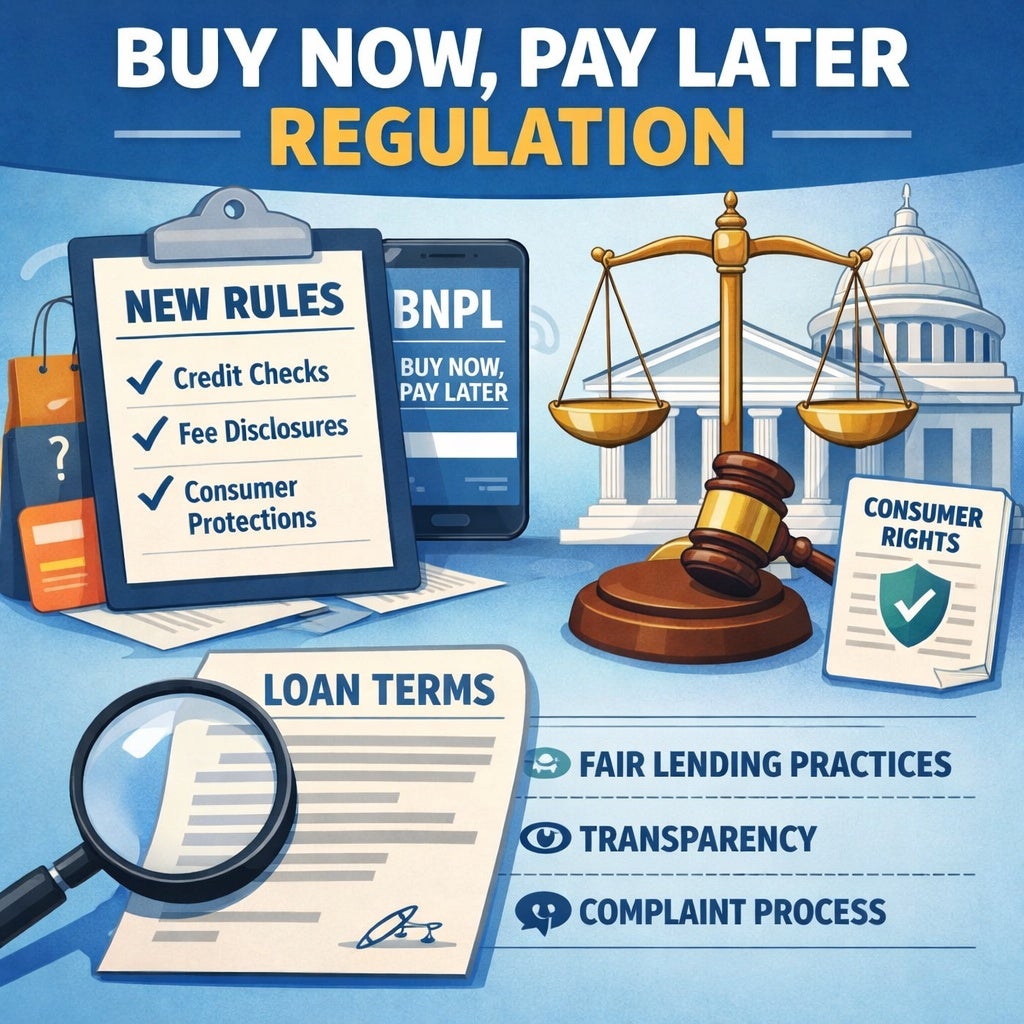
The FCA’s new rules will almost certainly change who can access BNPL and how providers assess affordability. I think that’s a positive step.
What I don’t think they’ll change is what consumers have become used to. People have experienced a world where credit appears exactly when they need it. Not before they start shopping. Not after they’ve applied for it. Right at the point they’re deciding whether to buy.
That expectation doesn’t disappear because the rules change. So, if consumers still want fast, flexible credit as part of the buying journey, how will that need be met? Will people simply go back to credit cards and overdrafts?
I’m not convinced they will.
My instinct is that banks, merchants and fintechs will find different ways of delivering the same experience within the new regulatory framework. The products may change, but the expectation probably won’t.
For me, that’s BNPL’s biggest contribution. It didn’t invent a new form of lending. It changed where consumers expect to find it.
And I suspect that’s the part that’s here to stay.
Santosh “San” Nakra-Shah is the co-founder and Managing Director of ChilliMint